



In terms of economy, Mumbai plays a crucial role in driving India’s economic growth. It is home to the Bombay Stock Exchange, the Reserve Bank of India, and numerous multinational corporations. The city’s port is one of the busiest in India and handles a significant portion of the country’s foreign trade. Mumbai’s economy is diverse, with industries such as entertainment, information technology, and manufacturing contributing to its prosperity.
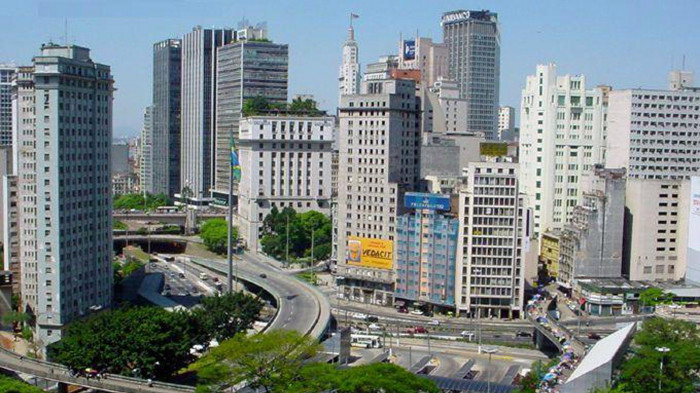
Infrastructure in Mumbai is constantly evolving to meet the needs of its growing population. The city has an extensive network of roads, railways, and public transportation systems that connect its various neighborhoods. The Chhatrapati Shivaji Maharaj International Airport serves as a major gateway for international travelers. However, rapid urbanization has led to challenges such as overcrowding, traffic congestion, and inadequate housing for many residents.
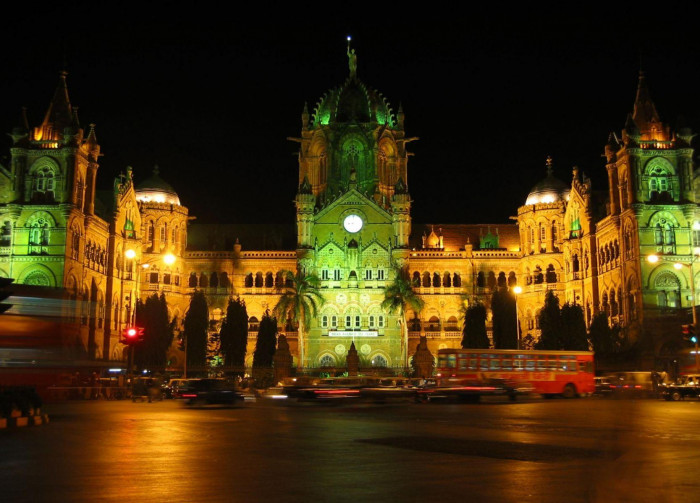
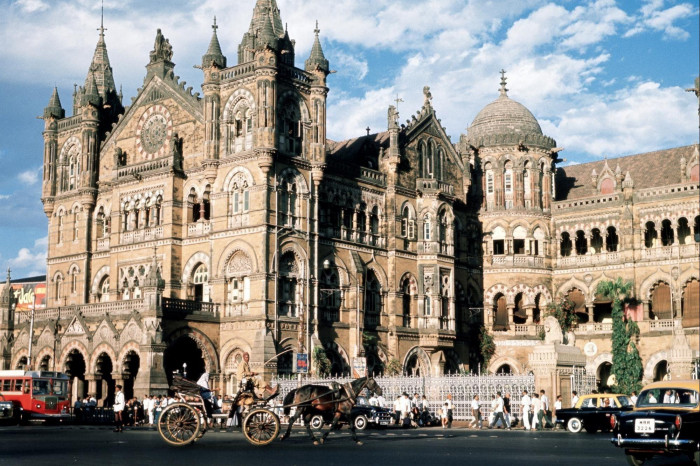
Mumbai is also a major tourist destination in India. The city boasts iconic landmarks such as the Gateway of India, Marine Drive, and Elephanta Caves. Visitors can explore vibrant markets, sample delicious street food, and experience the rich cultural heritage of Mumbai. The city’s thriving arts scene includes numerous galleries, theaters, and music venues that showcase both traditional and contemporary Indian culture.
In terms of culture, Mumbai is a melting pot of diverse communities and traditions. It is known for its Bollywood film industry which produces a significant portion of India’s movies. The city also hosts numerous festivals throughout the year that celebrate religious holidays, music, dance, and food.
One notable issue facing Mumbai is its vulnerability to natural disasters such as flooding during monsoon season due to poor drainage systems and deforestation in surrounding areas. Additionally, income inequality has led to stark contrasts between affluent neighborhoods and sprawling slums within the city.